
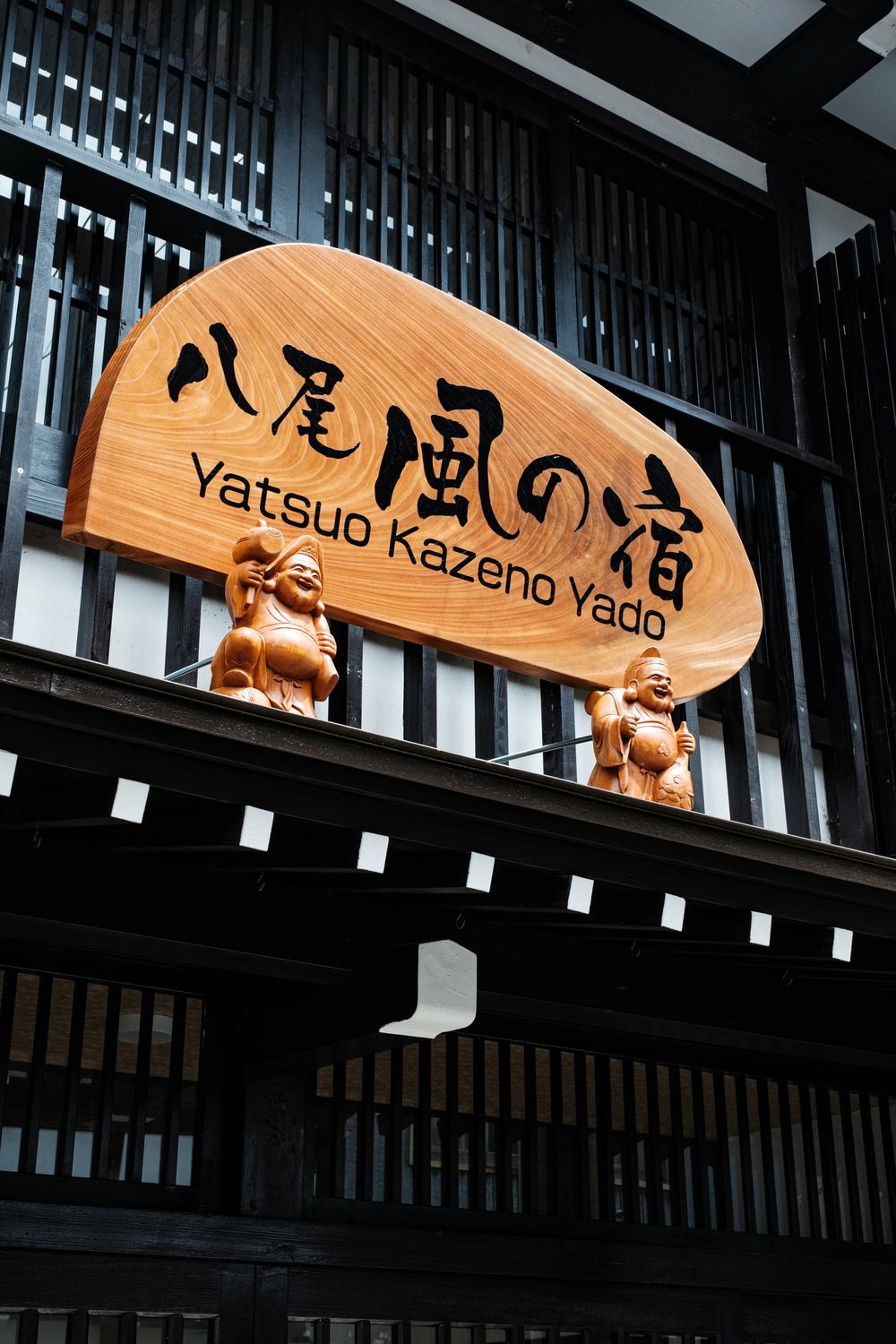
Yatsuo, Toyama, Japan
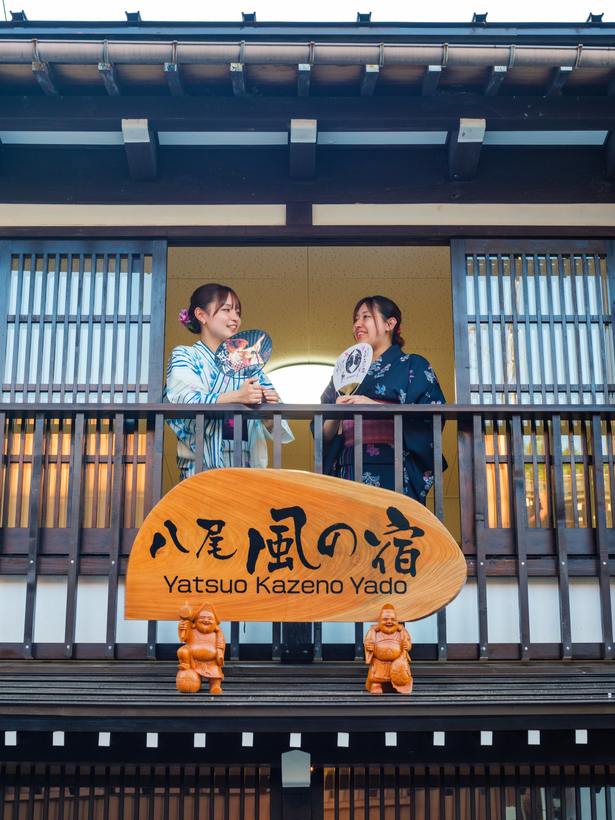
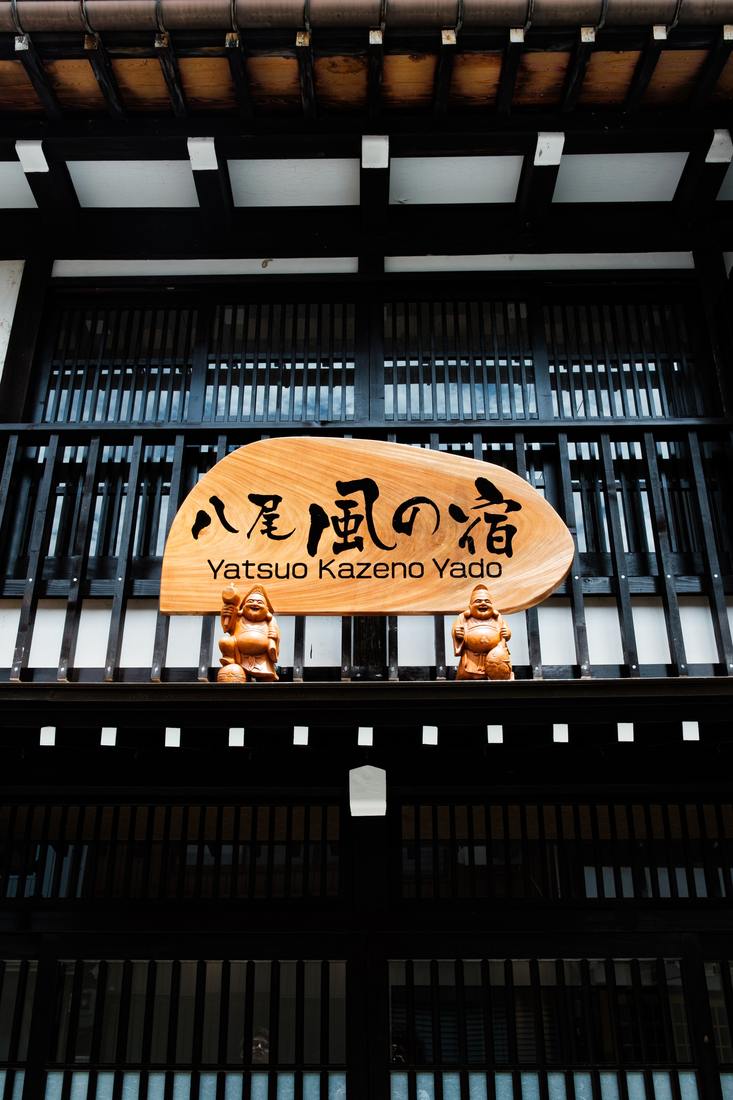
Yatsuo Kazeno YadoSleep inside the old town, where the dance passes by.
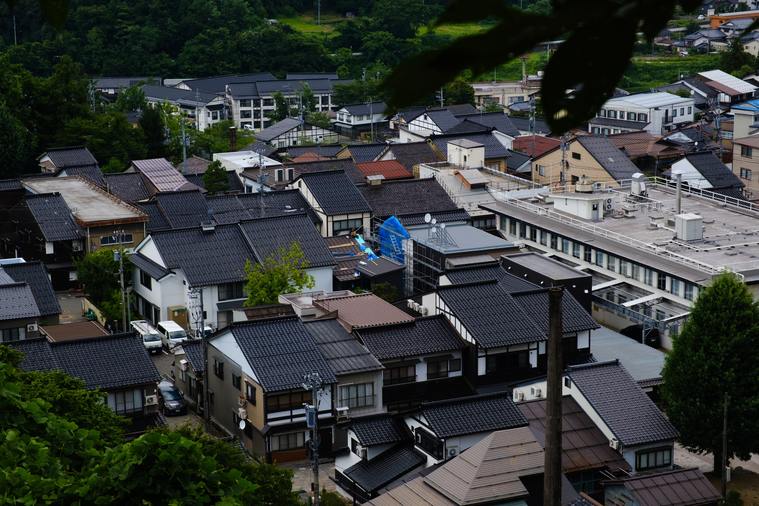
Two machiya houses on the main street of Yatsuo's old quarter.
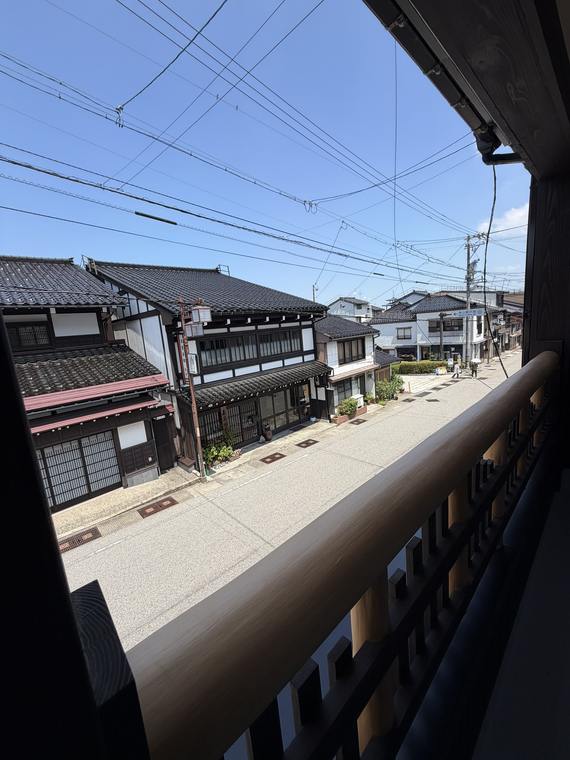
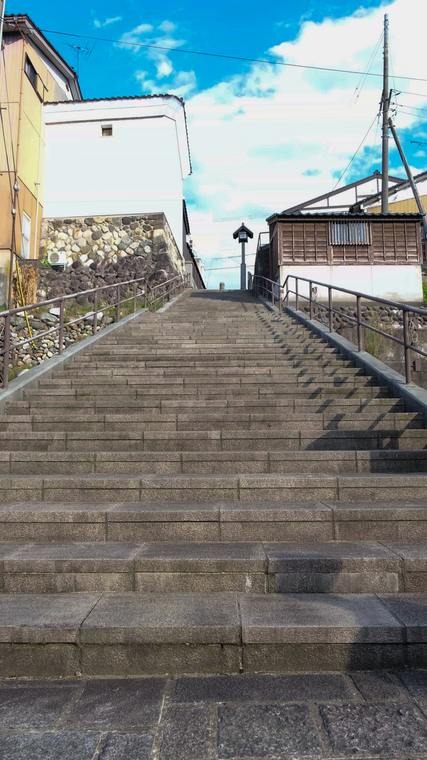
In September, the Owara dancers pass right below the windows.
See live availability and book online. Rates and rooms are listed below.
In 30 seconds
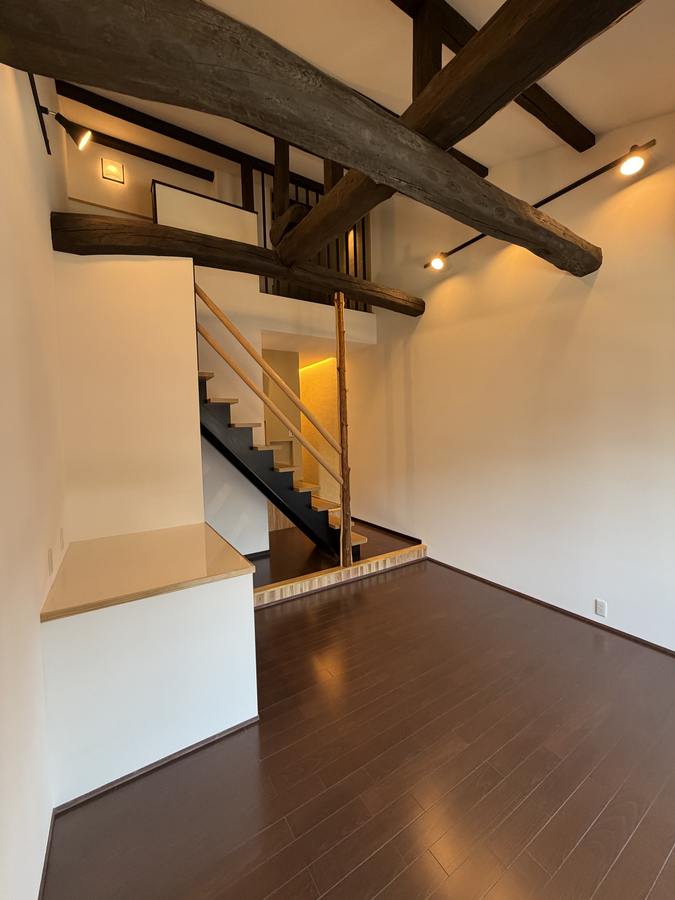
A townhouse from 1877
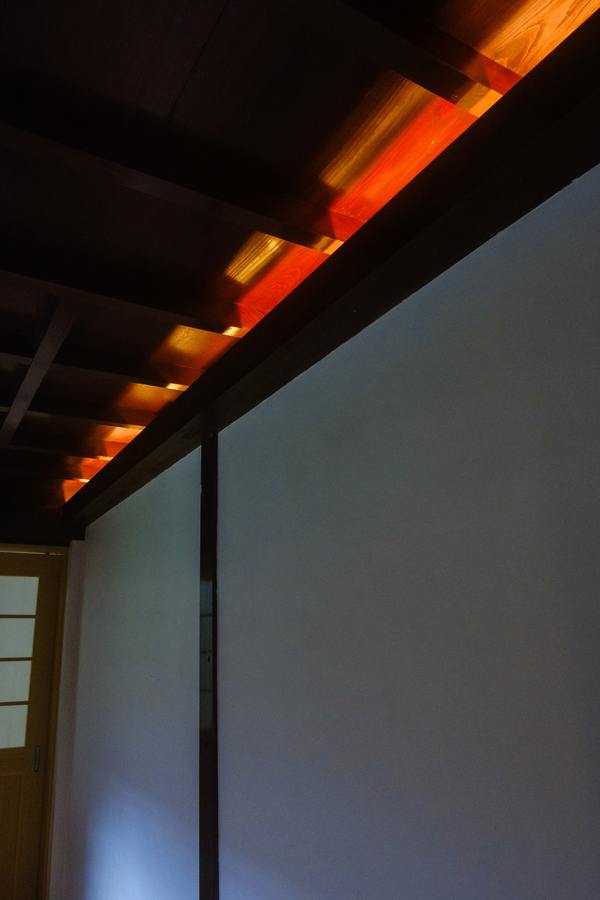
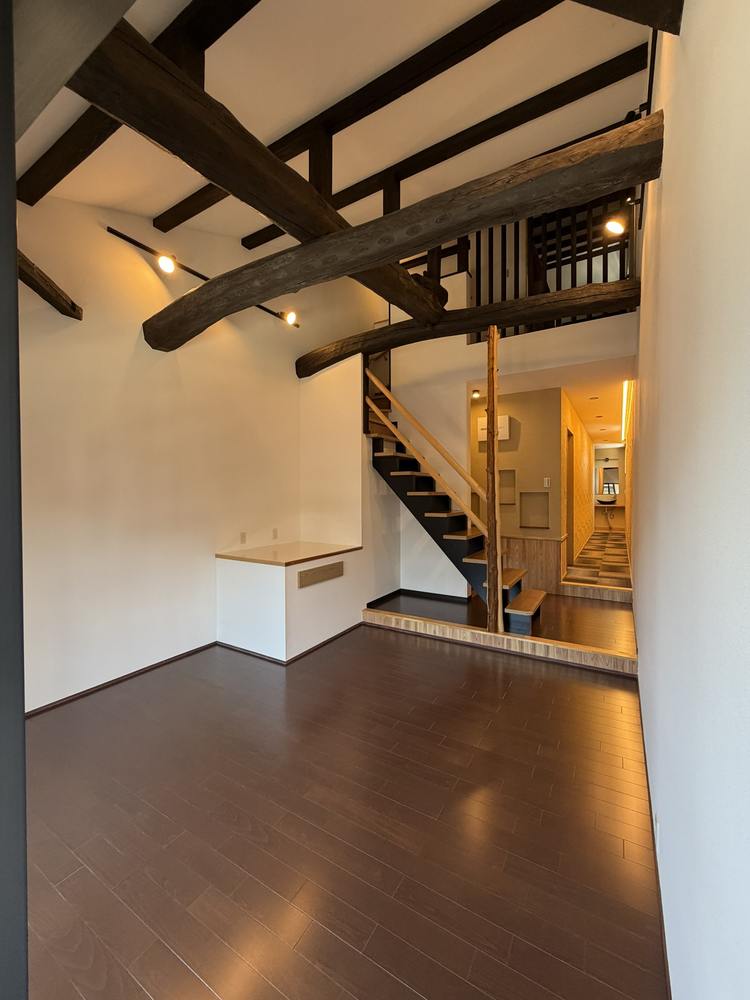
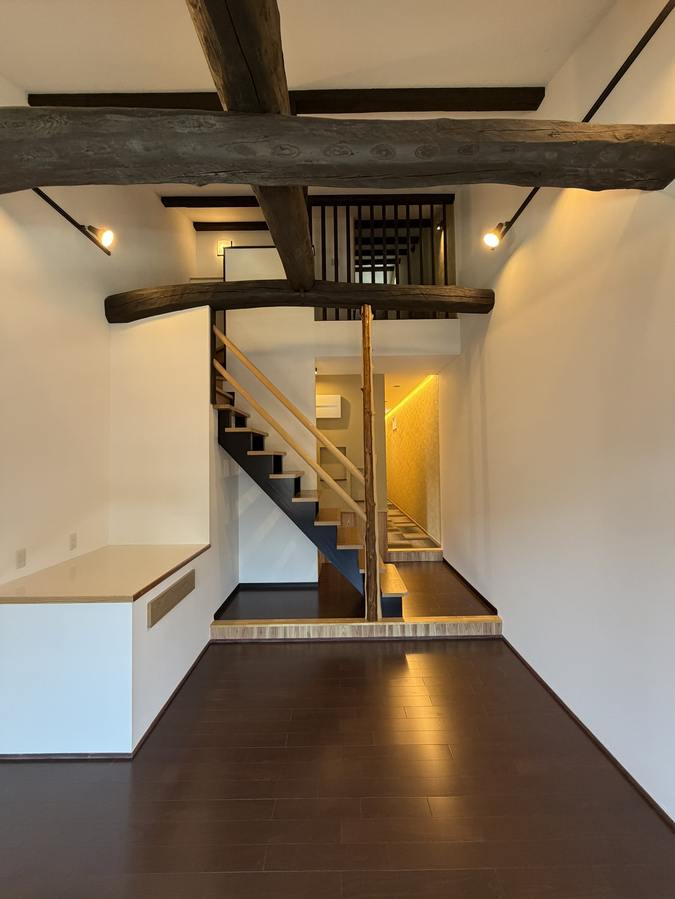
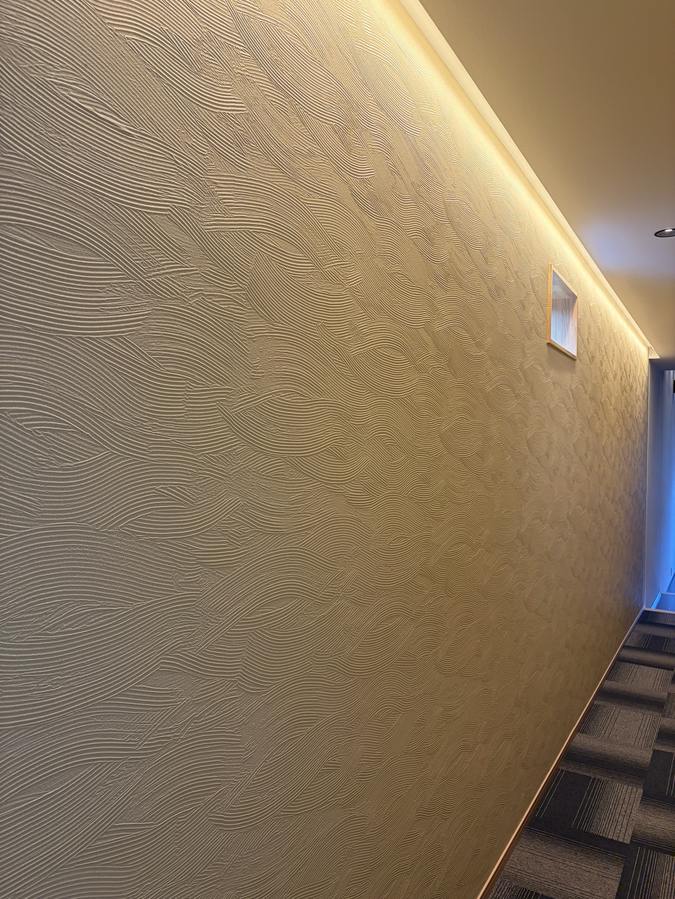
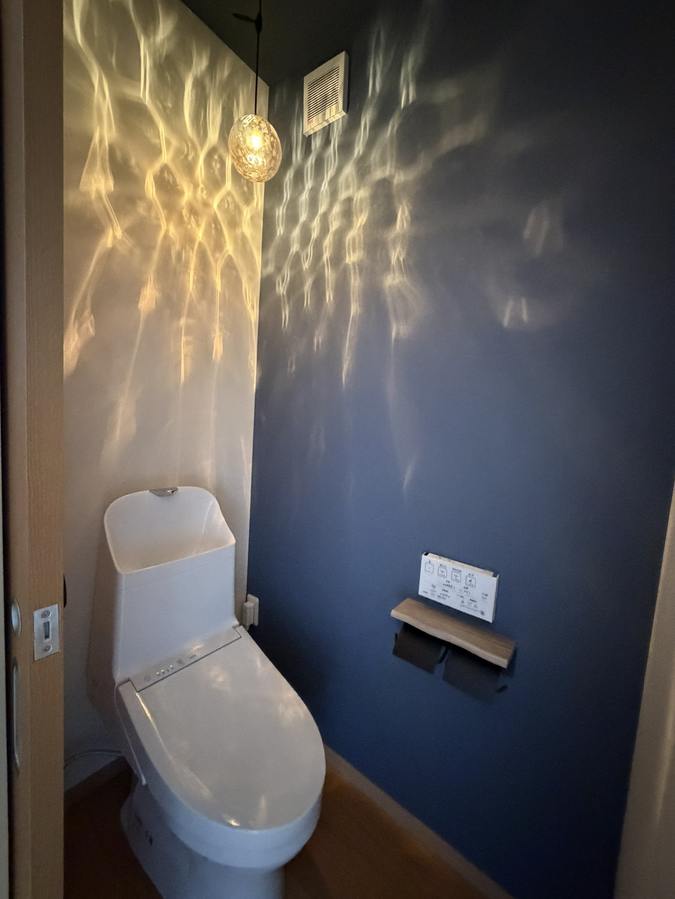
Curved beams, a single log running through the void. The carpentry was kept; the bathrooms and bedding were not. Everything you touch is new, everything you look up at is old.
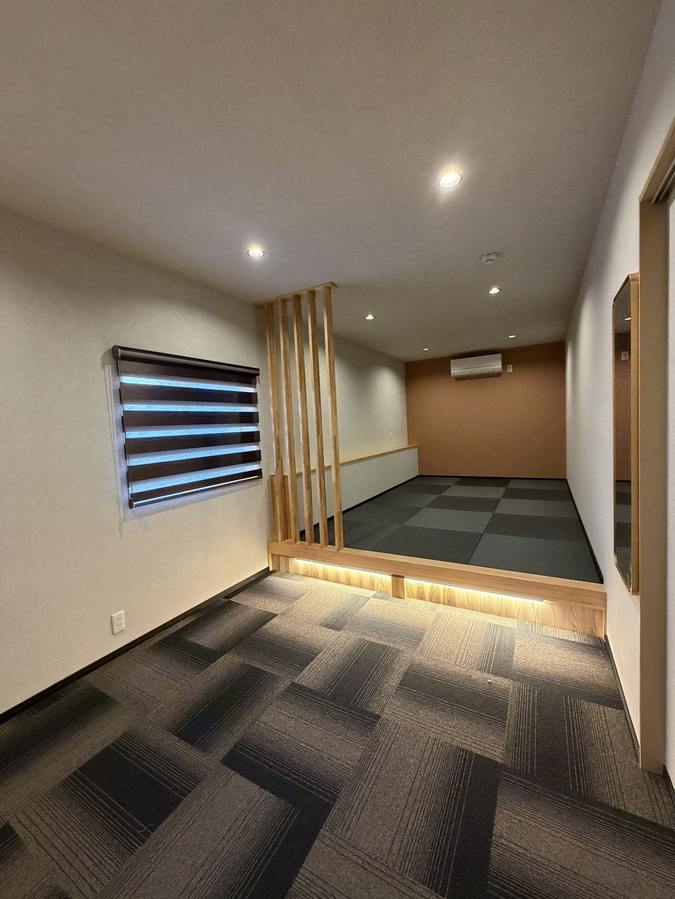
The whole house is yours
Both houses are rented to one group at a time. During the Owara festival (Sept 1–3) we rent by the room instead.
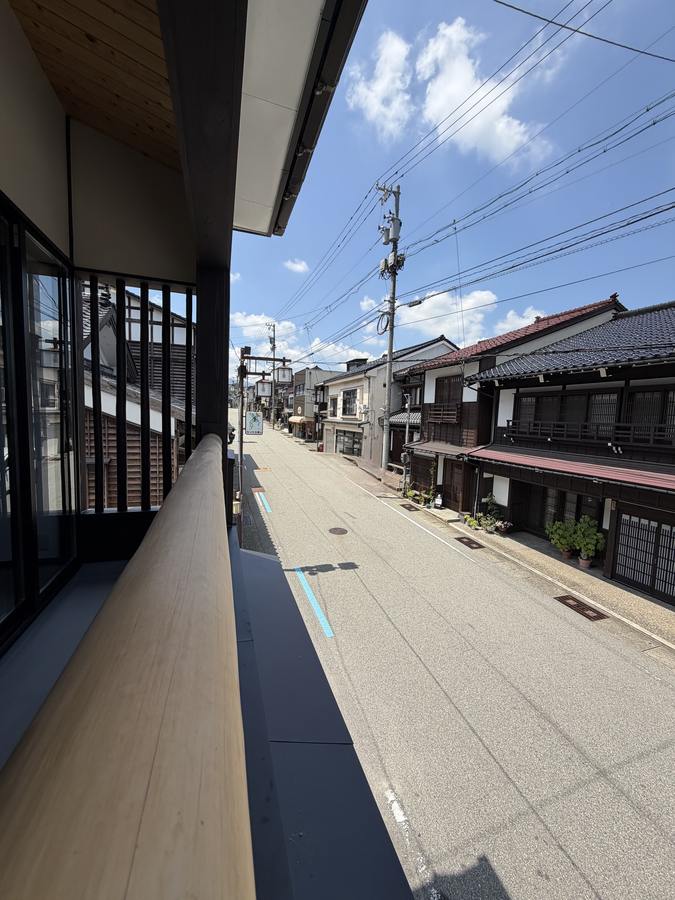
You look down on the street
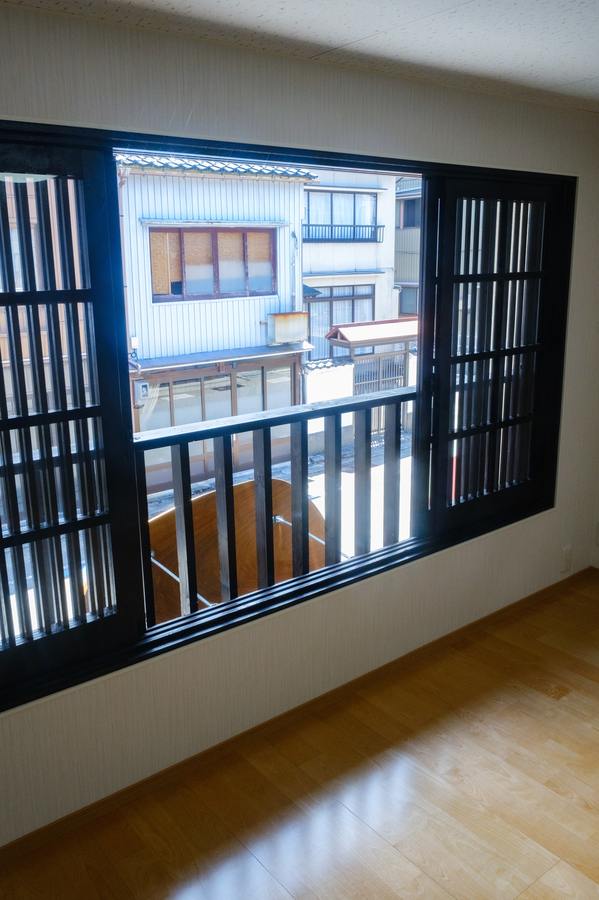
The Annex has a shared balcony over the road. In the Main House, the road-side rooms upstairs look straight down on the procession.
The Town
Owara Kaze no Bon:
a dance you watch from inside the town.
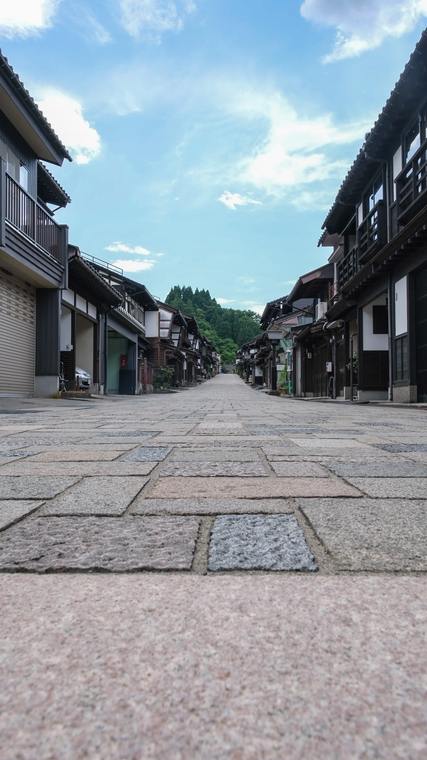
For three nights every September — the 1st, 2nd and 3rd — the old town of Yatsuo fills with a dance called Owara Kaze no Bon. Musicians play the shamisen and the kokyu, and dancers in straw hats move slowly down the stone streets until well past midnight. It is one of the most atmospheric festivals in Japan, and almost entirely unknown outside it.
Most visitors come by day trip and must leave before the best hours. Staying inside the old town means the opposite: you can watch until the crowds thin, then walk home in three minutes. The quiet hours after midnight are what people remember.
→ Read our complete guide to Owara Kaze no Bon: dates, schedule, access and viewing tips
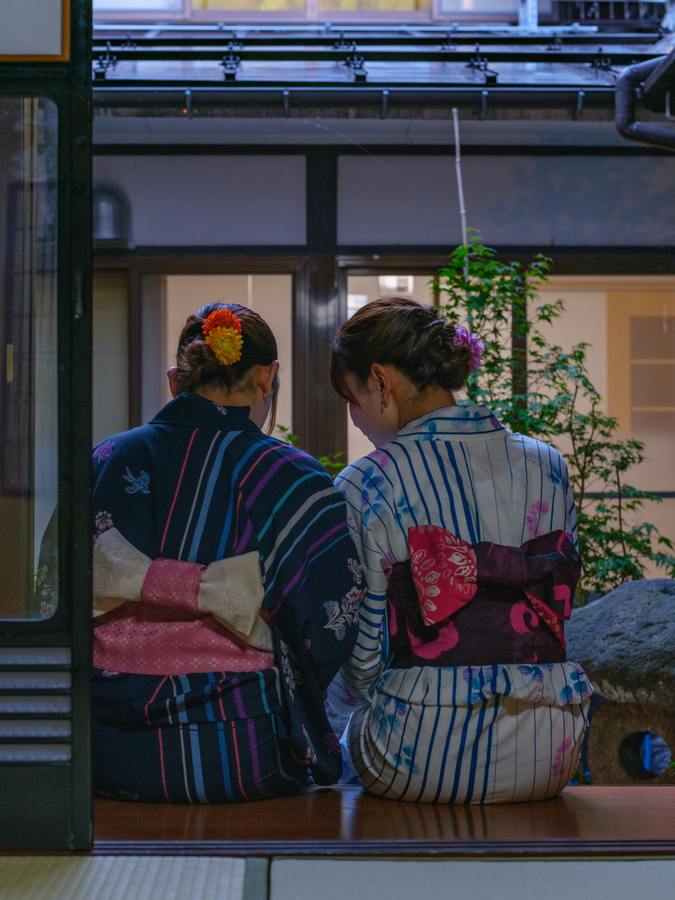
Main House(本館)
Six private rooms
in a 150-year-old house.
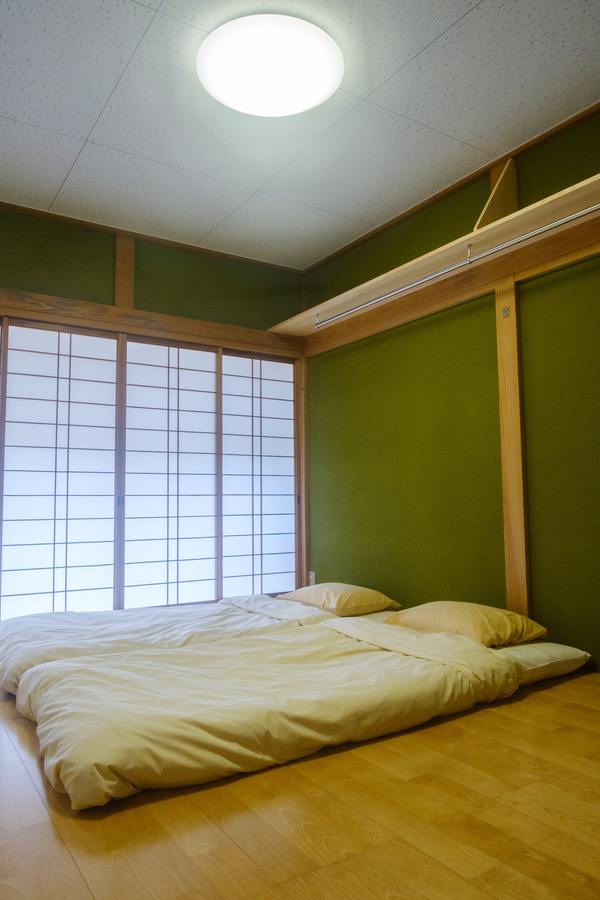
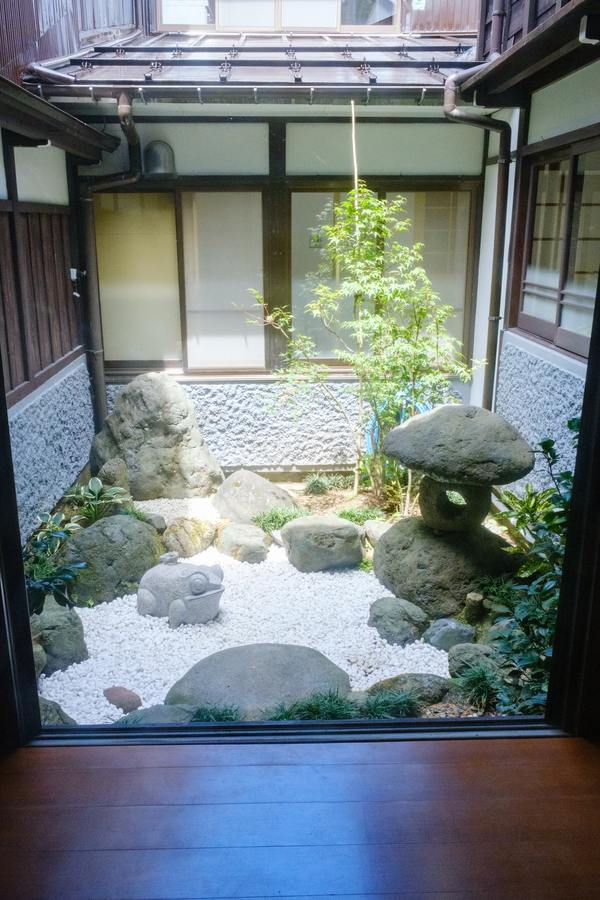
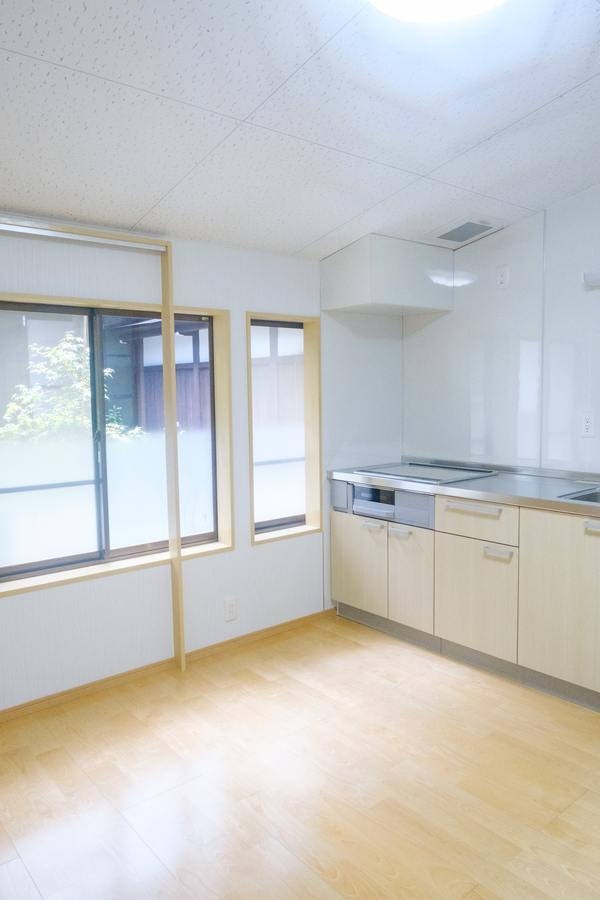
Tatami rooms with futon bedding laid on the floor — the traditional way of sleeping in Japan. Every room has a door and is fully private. There is a small inner garden, an alcove with a hanging scroll, and a kitchen you are welcome to use.
Annex(分館)
Sleeping berths
built by hand.
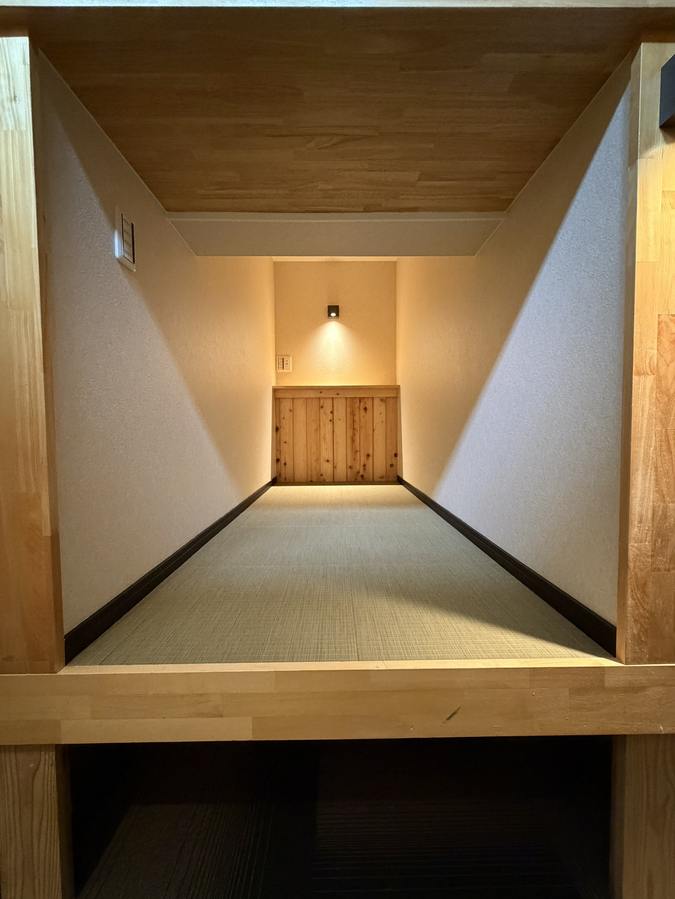
The Annex has seven Kibako no Ma — "wooden box rooms". They are tatami sleeping berths built by a local carpenter from solid timber, fitted to this building. They are not factory-made capsules, and they are not private rooms: a roll-down curtain closes each one off from the corridor.
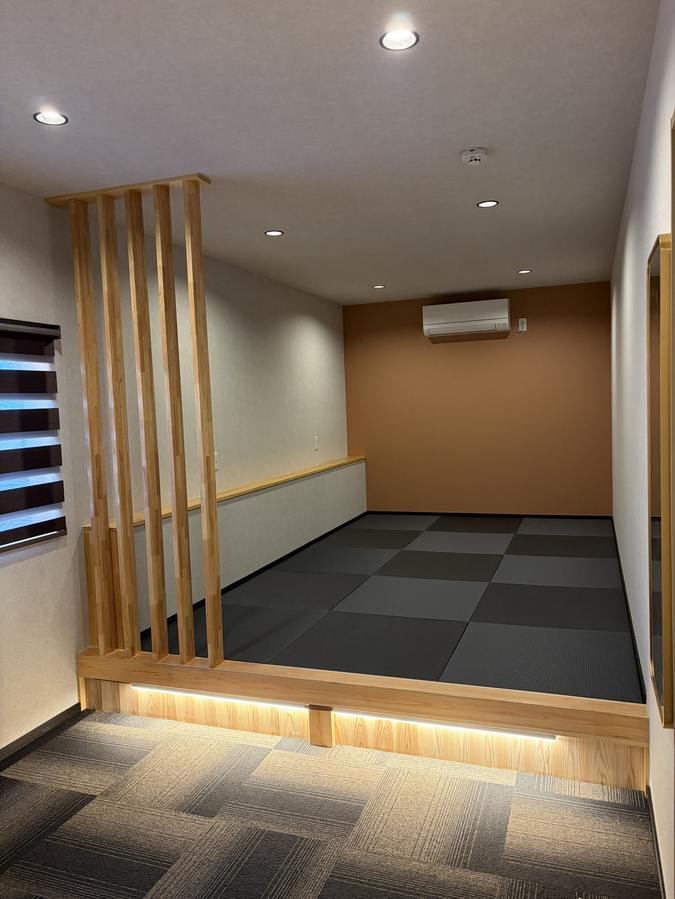
There is also one fully private tatami room, the Koagari no Ma, with a raised floor and a refrigerator. Upstairs, a shared balcony looks over the street.
Rooms & Rates
Rates
Rooms are let without meals. Prices are charged in Japanese yen; US dollar figures are approximate and move with the exchange rate. Payment is made before arrival via Wise, which lets you transfer within your own country at almost no cost.
Ordinary season
| Booking | Capacity | Per person / night |
|---|---|---|
| Main House — whole house 6 private rooms, kitchen, bath, inner garden | 2–17 | ¥30,000 approx. US$200 |
| Annex — whole floor 7 Kibako no Ma + 1 private room, 2 showers, balcony | 2–11 | ¥30,000 approx. US$200 |
Tax included. Bedding, towels, amenities and Wi-Fi are included. The house is yours alone — no other guests.
Minimum two guests. Children aged 12 and under are half price (¥15,000).
Example: 2 adults and 2 children, 2 nights = ¥180,000 (approx. US$1,200) for the whole house.
Owara Kaze no Bon — September 1–3
For these three nights we let individual rooms rather than whole houses. Prices below are per room per night, tax and bedding included.
| Room | Capacity | Per room / night |
|---|---|---|
| Main House — room above the street The dancers pass below your window | 4 | ¥280,000 approx. US$1,870 |
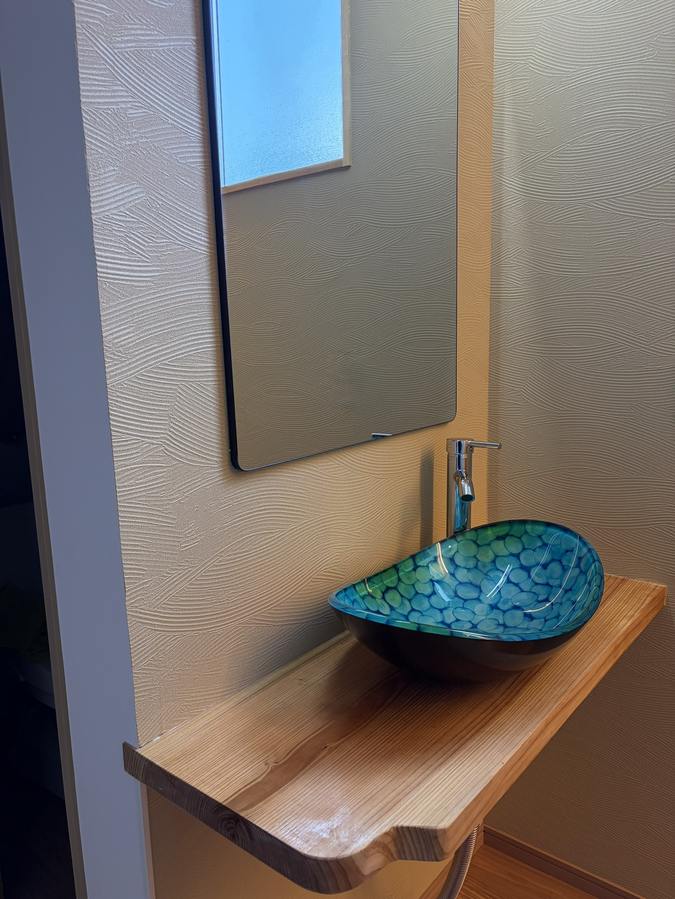
| Main House — room for 3–4 Japanese-style room with washbasin (up to 3) or Western-style room (up to 4) | 3–4 | ¥240,000 approx. US$1,600 |
| Main House — room for 2 | 2 | ¥120,000 approx. US$800 |
| Annex — Koagari no Ma Private room, refrigerator, raised tatami floor | 4 | ¥300,000 approx. US$2,000 |
| Annex — Kibako no Ma Sleeping berth, curtain, mixed gender, 7 available | 1 each | ¥40,000 approx. US$270 |
Festival rooms are priced per room, regardless of age. Bookings for the following year open on September 4th, immediately after that year's festival ends.
Check availability & book online
Choose your dates, see which rooms are free, and reserve in a minute. Nothing is charged until we confirm.
Access
Getting to Yatsuo
Open in Google Maps
Open in Google Maps
- From Tokyo
- Hokuriku Shinkansen to Toyama, about 2h10m. Then see below.
- From Toyama Station
- JR Takayama Line to Echu-Yatsuo Station, about 25 minutes.
- From Echu-Yatsuo Station
- Taxi about 7 minutes, or the city loop bus about 10 minutes (get off at Kagamimachi, then 3 minutes on foot). Walking takes about 25 minutes and is uphill.
- By car
- About 25 minutes from Toyama IC or Toyama-Nishi IC on the Hokuriku Expressway.
- Parking
- Free, 6 spaces, first come first served. Opposite the Main House.
- During the festival
- Roads in the old town are closed on September 1–3. Contact us in advance about parking.
Enquiries
Ask us about dates
Send us your dates and we will reply in English, usually within 24 hours. There is no charge until we confirm your booking in writing.
Check-in 12:00
Check-out 10:00. Keys handed over in person.Room only
No meals. The Main House has a kitchen.Free Wi-Fi
Towels and amenities provided.Free parking
6 spaces, first come first served.Easy payment
Pay by Wise as a local transfer in your own country. No international wire fees.Free cancellation
Up to 30 days before arrival.Questions
What is a machiya, and what is it like to sleep in one?
A machiya is a wooden townhouse, traditionally both a shop and a home. You sleep on futon bedding laid directly on tatami mat flooring, which is firmer than a Western bed. Shoes come off at the entrance. The buildings are old, so floors creak and sound travels more than in a hotel.
Are the rooms private?
All six rooms in the Main House are private rooms with doors, as is the Koagari no Ma in the Annex. The seven Kibako no Ma are individual sleeping berths along a shared corridor, closed by a roll-down curtain rather than a door, and are mixed gender.
Is anyone else in the building?
Outside the festival, each house is rented to one group only. During the festival we let rooms individually, so you may share the building with other guests. The owner lives on the ground floor of the Annex, on a separate floor from the guest rooms.
Do you serve meals?
No. Both houses are room-only. The Main House has a kitchen you may use. There are restaurants and a convenience store in walking distance, though during the festival many close early — we will advise you.
How do I pay?
Payment is made in full before arrival, in Japanese yen.
For guests outside Japan we use Wise. You send the money as a normal domestic transfer within your own country — to a local account number in the United States, the United Kingdom, the euro area, Australia and several other regions — so the fee on your side is usually well under 1%, and it arrives within a day. We send you the account details once your dates are confirmed.
If you would rather pay by credit card, we can send a PayPal invoice instead. A 5% handling fee applies in that case, as the card charges are considerably higher.
What is the cancellation policy?
Free up to 30 days before arrival. 30% from 29 to 15 days, 50% from 14 to 8 days, 80% from 7 to 2 days, and 100% on the day before, on the day, or for a no-show.
When can I book for the Owara festival?
Bookings for the following year open on September 4th, immediately after that year's festival ends. Rooms are limited and go quickly.
Can I bring children? Pets?
Children are welcome; they are charged the same bedding fee as adults. Pets are not permitted. The buildings are non-smoking.
Is there an English-speaking host on site?
We hand over the keys in person and can help with questions. Detailed conversation may go through a translation app, which works well in practice.
What else is there to do in Toyama?
Toyama city is 25 minutes by train. The Kurobe Gorge Railway, the Tateyama Kurobe Alpine Route, and the historic villages of Gokayama are all day trips from here.
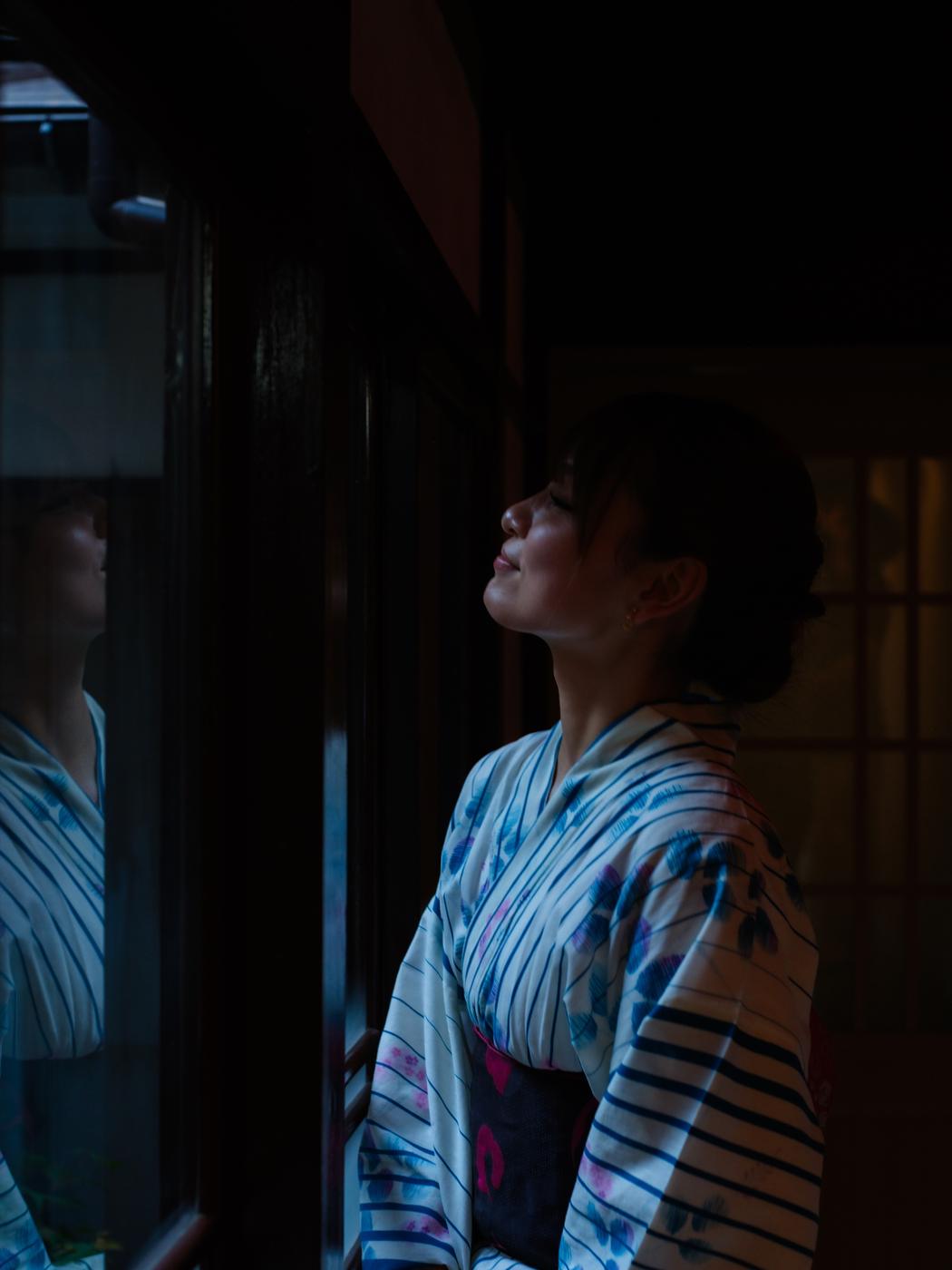
Three nights a year, this street belongs to the dance.
Ask about datesWe reply in English, usually within 24 hours.